Why the Seville River is the best way to see the city

What is the Seville River?

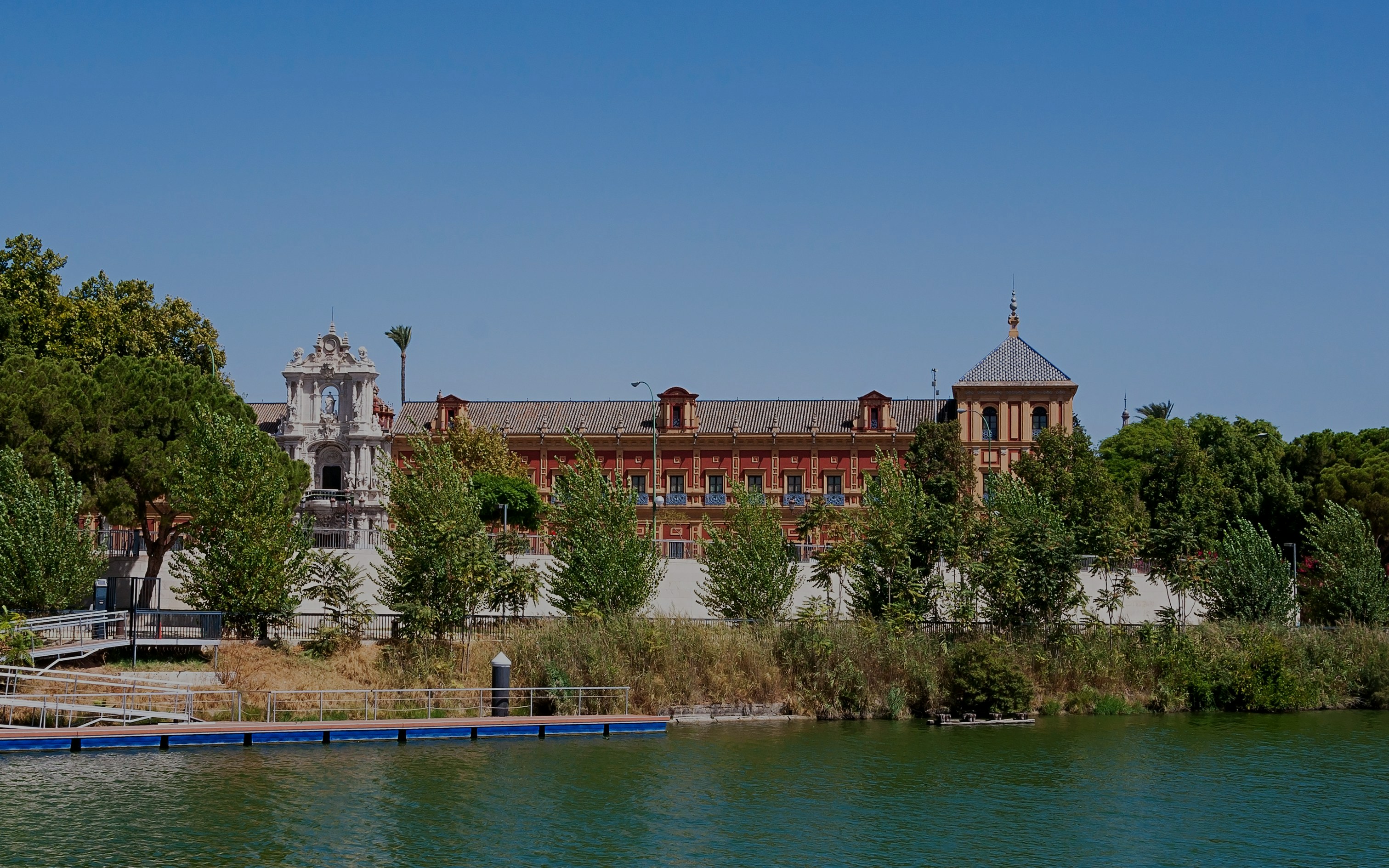
Seville moves at the pace of the Guadalquivir River. Locals simply call it the Seville River, the wide, steady waterway that curves past tiled bridges, old watchtowers, and the façades of former merchant houses. It’s both a natural feature and a cultural landmark: once a maritime highway for ships sailing to the Atlantic, today it’s a place for slow river cruises, riverside walks, and open-air cafés. From the deck of a boat, you see the city layered, Moorish traces, Renaissance flourishes, modern pavilions, all stitched together by water.

Plan your visit to Seville River

Opening hours

The Seville River itself is open year-round.

  • Sightseeing cruises: Typically operate daily from 11am to 7pm, with reduced departures in winter.
  • Seasonal changes: Summer offers extended evening sailings; winter has fewer but quieter departures.
  • Closed: Boats may pause on select public holidays or during severe weather.
Best time to visit

  • Spring (Mar–May): Mild weather, orange blossoms in bloom, lively riverbanks.
  • Summer (Jun–Aug): Hot afternoons; evening cruises are cooler and popular.
  • Autumn (Sep–Nov): Warm days, fewer crowds.
  • Winter (Dec–Feb): Quiet and calm, ideal for relaxed sightseeing.

Weekdays are less crowded than weekends. Late afternoon and sunset cruises offer softer light and cooler air.

Location

The Seville River runs through central Seville, Spain. Main boarding points are near Torre del Oro, Paseo Alcalde Marqués del Contadero, and Triana.

  • Address (main pier): Paseo Alcalde Marqués del Contadero, 41001 Seville, Spain
  • Nearby landmarks: Torre del Oro, Plaza de España
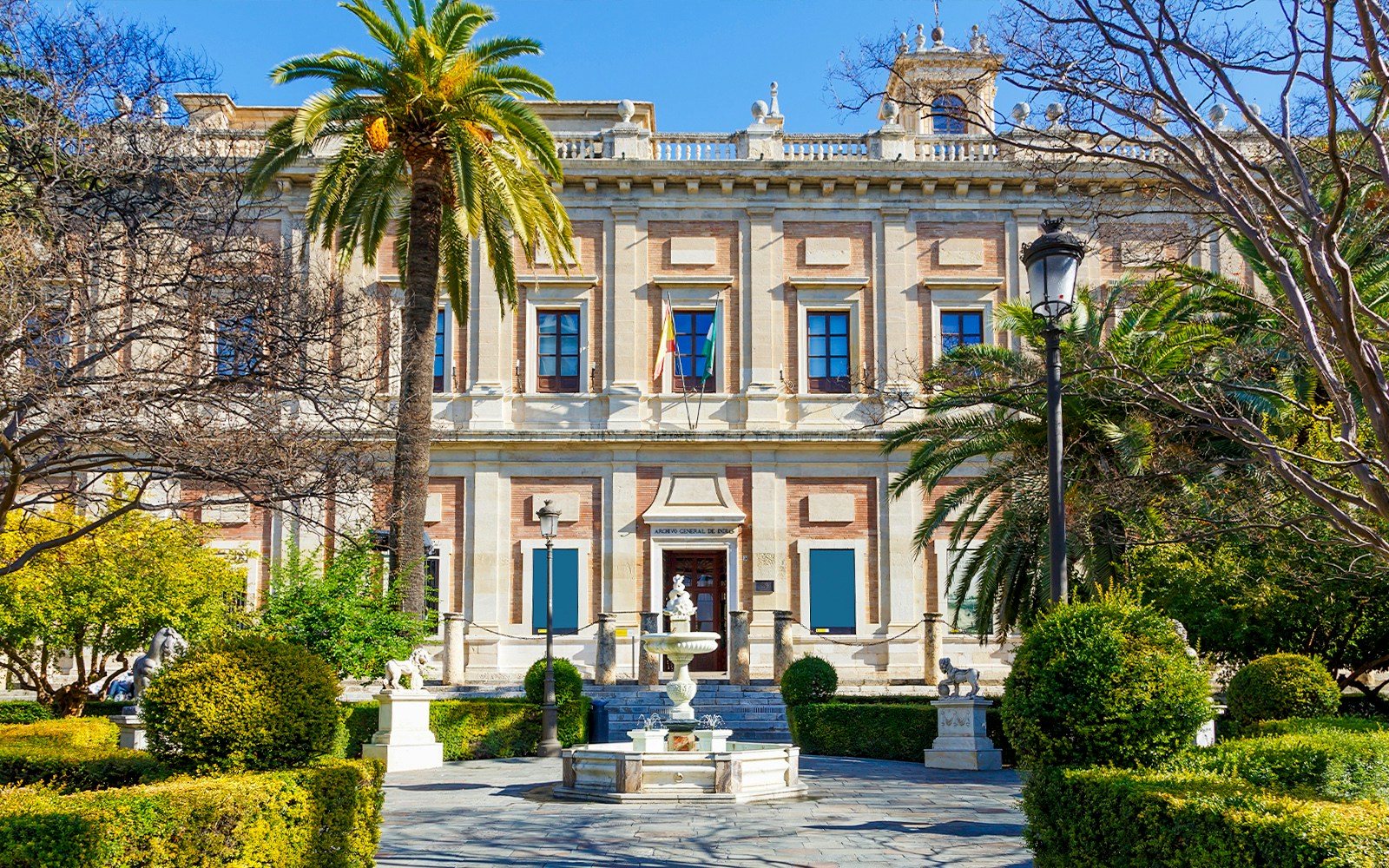
  • Transport: Tram T1 (Archivo de Indias stop), buses C3/C4. Limited parking nearby; taxis are easiest in peak season.

What to do at Seville River?

Take a panoramic river cruise

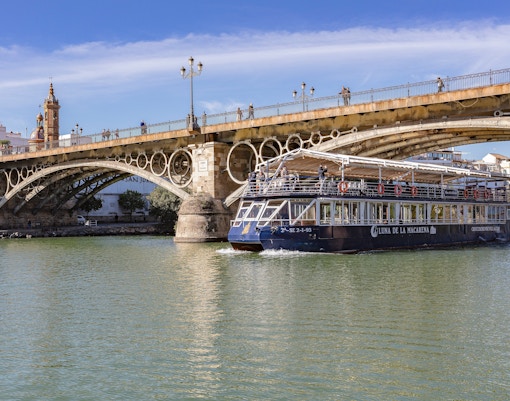
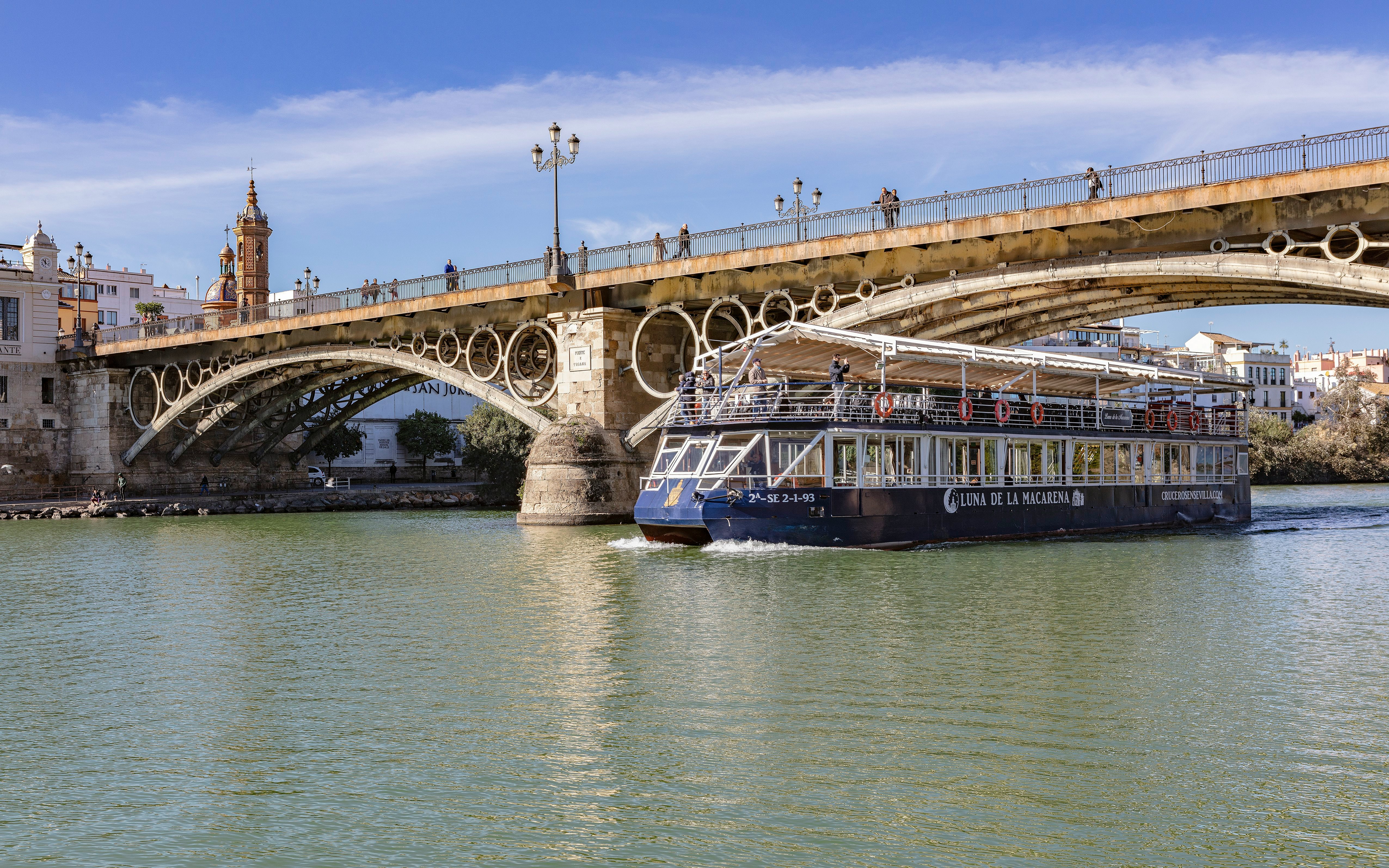
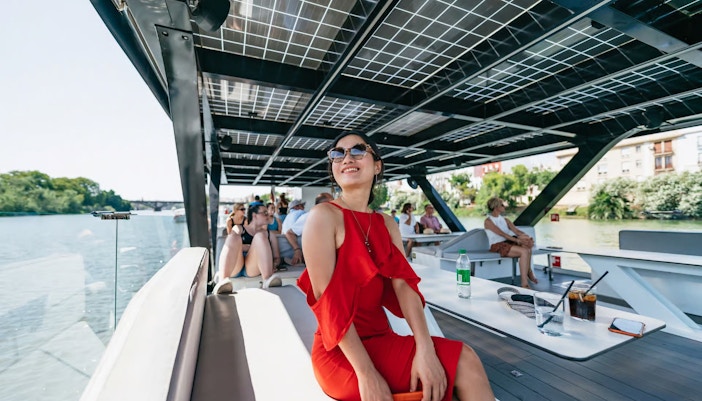
A 1-hour cruise is the easiest way to understand the city’s layout. You sit on an open deck, pass under historic bridges, and hear commentary about landmarks along the banks. It’s low-intensity and suitable for families and seniors. Reserve ahead for sunset slots.

Walk or cycle the riverside paths

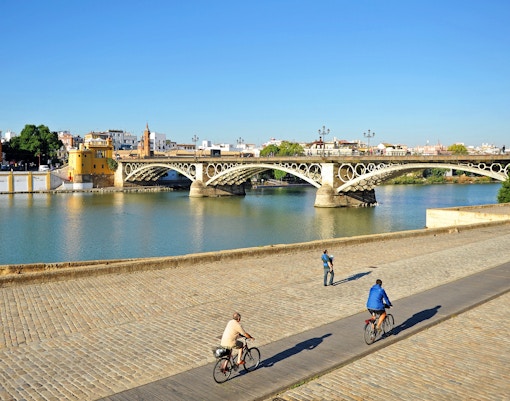
Flat promenades run along both banks, especially near Triana and the historic center. It’s an easy stroll or relaxed bike ride, ideal in the morning or late afternoon. Expect shaded benches, street musicians, and views of passing boats. Bike rentals are available nearby if you want to cover more ground.

Join a kayak or paddle session

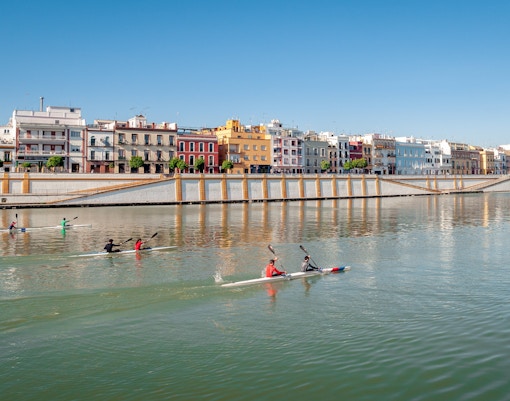
For something more active, guided kayaking tours let you experience the water at eye level. Routes are beginner-friendly and usually last 1.5–2 hours. Basic paddling skills help, but instructors provide safety briefings and gear. Morning departures offer calmer water and fewer tour boats.

Book a private eco-friendly cruise

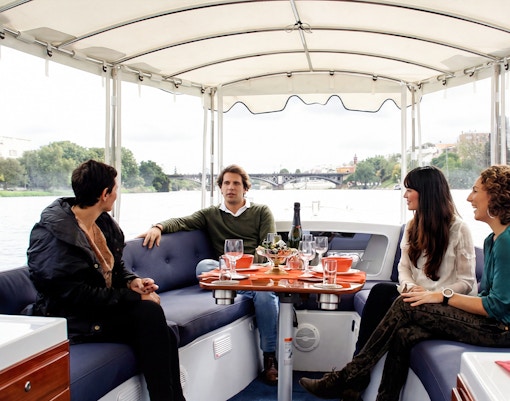
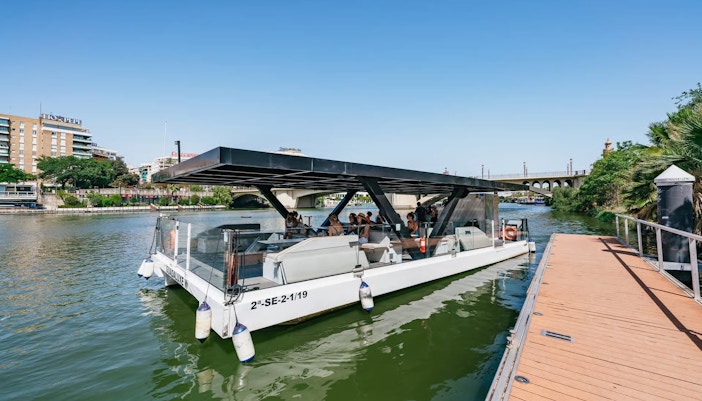
Smaller electric boats offer a quieter, more intimate ride. Ideal for couples or small groups, these tours focus on sustainability and a slower pace. Expect 90 minutes on the water with fewer passengers and personalized commentary. Advance booking is recommended, especially on weekends.

What to see at Seville River?

Placeholder Image Headout Blimp

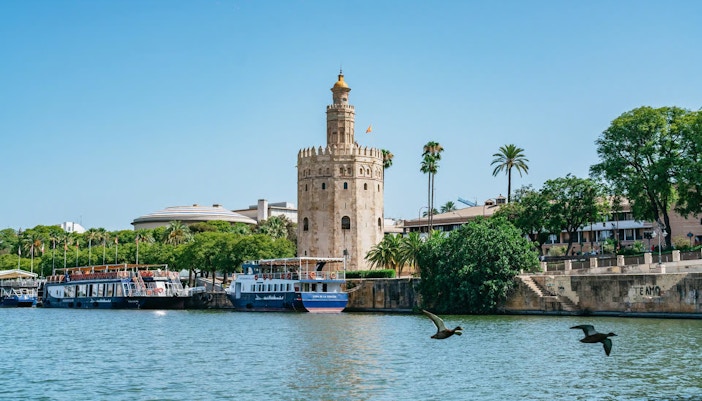
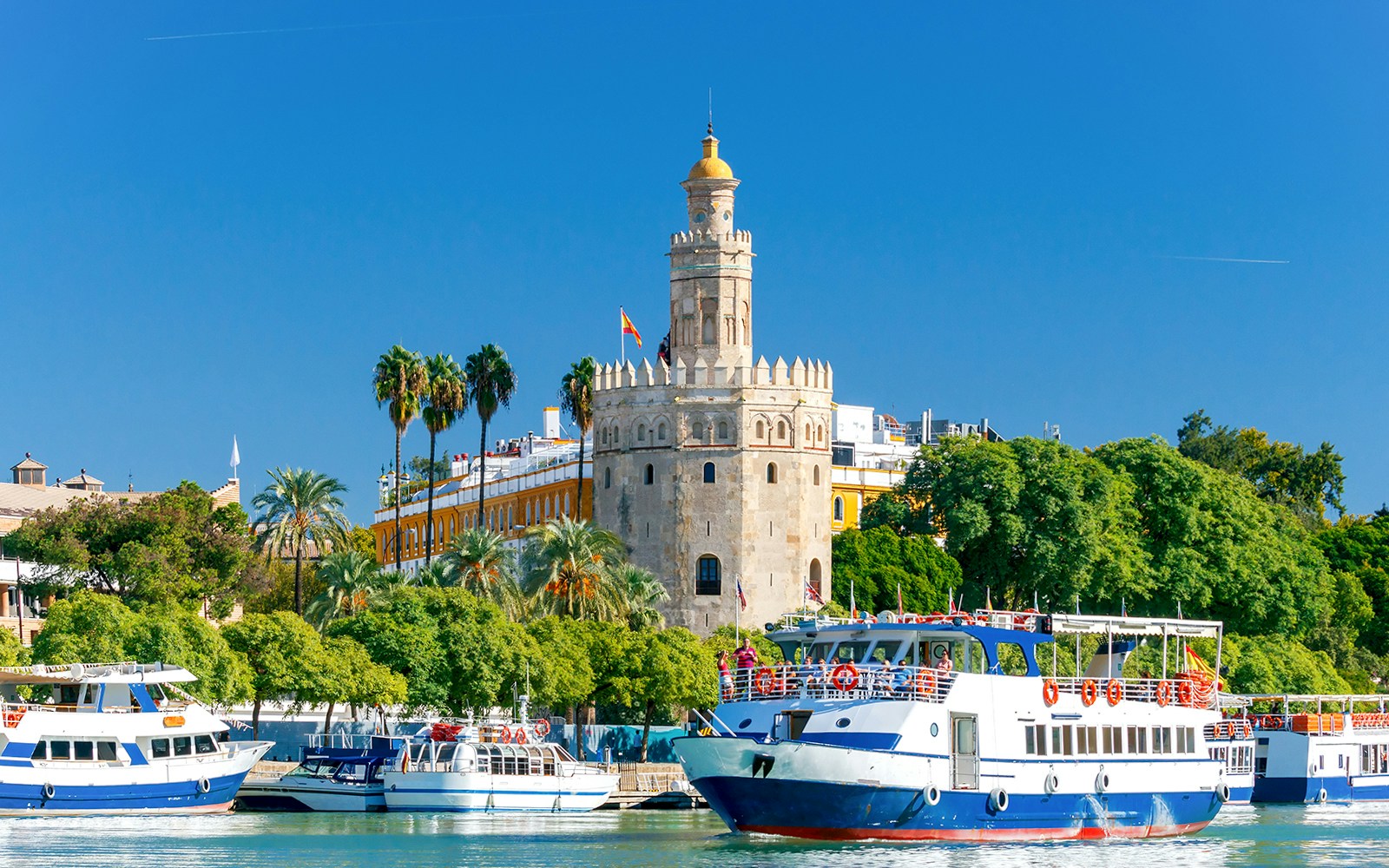
Torre del Oro (near central pier)

A 13th-century watchtower rising directly from the riverbank. Best viewed from the water in late afternoon light.

Placeholder Image Headout Blimp

History of Seville River in a nutshell

The Guadalquivir River has shaped Seville for over two millennia. Roman settlements first used it as a trade route, but it was during the Age of Exploration that the river became crucial. After Columbus’s voyages, Seville held a monopoly on trade with the Americas, and ships sailed from this inland port loaded with goods and silver.

Over time, silting reduced its navigability, and the city adapted with new docks and canals. Today, while large merchant ships no longer anchor here, the river remains a defining feature, linking Seville’s Moorish past, maritime power, and modern cultural life.

Tips for visiting Seville River

  • Time your cruise with the light. Late afternoon gives you softer shadows on Torre del Oro and better photos without squinting into harsh sun.
  • For kayaking, go early. Morning waters are calmer, with fewer sightseeing boats passing through. It’s also cooler and more comfortable.
  • Walk the Triana side at dusk. The skyline of central Seville looks especially layered from this bank—bridges, towers, and church domes all in one view.
  • Rent bikes for longer stretches. The riverside paths are flat and well-paved, ideal for an easy 60 to 90 minute loop without city traffic.
  • Choose eco-friendly cruises if you prefer quiet. Electric boats are noticeably smoother and less noisy — better for conversation and photos.
  • Carry water year-round. Even in winter, the river breeze can feel dry; in summer, the heat reflects off the water. Hydration matters.
  • Double-check your boarding pier. Operators depart from different spots along Paseo Alcalde Marqués del Contadero, they’re close, but not interchangeable.
  • Plan around festival days. During Semana Santa and Feria, access roads and walking routes near the river may be restricted. Allow extra time.

Frequently asked questions about Seville River

It’s known for connecting Seville’s historic center with Triana and for its role in Spain’s maritime trade era. Today, it’s popular for scenic cruises and riverside walks.